

How to Give Art as a Gift: A Thoughtful 2026 Guide
Table of Contents
- Why Art Is the Gift That Stays
- How to Choose Art for Someone: A Step-by-Step Process
- Giving a Painting as a Gift: Original Work vs. Prints
- How to Wrap a Painting So It Arrives Safely
- Art Gift Presentation Ideas That Make the Reveal Memorable
- When You Are Not Sure They Will Love It
- Budget, Logistics, and Other Practical Matters
- Frequently Asked Questions
Last Updated: October 12, 2026
Why Art Is the Gift That Stays
Learning how to give art as a gift ensures the artwork lives on the wall and keeps working on the room long after the wrapping paper is gone.
A thoughtful art gift does three things at once: it shows you noticed something about the person, fills a space they see every day, and gives them a small pause each time they look at it.
How to Choose Art for Someone: A Step-by-Step Process
Choosing art for someone means matching three things: their taste, their space, and the feeling you want the piece to bring into their home. Here is the process:
- Start with the room. Think about where the piece will hang before you think about the art itself.
- Note the colors already there. Walls, furniture, and textiles tell you what palette will sit comfortably.
- Read their taste quietly. Use the cues below instead of asking directly.
- Pick a theme or subject. Nature, water, florals, and abstract forms all carry different moods.
- Choose a size that fits the wall. A small print on a large empty wall looks lost.
- Decide between original work and a print. Both are real gifts; they serve different budgets.
- Plan the wrap and the reveal. Presentation is part of the gift.
Start With the Room, Not the Art
The room decides more than the art does. A piece that fits the space feels intentional; one that fights it feels like clutter, no matter how beautiful it is. Notice the wood tones, upholstery, and light: a soft, muted palette suits a calm bedroom, while a bolder subject can hold its own in a bright living room. If the recipient rents and moves often, choose lighter framing and standard sizes.
Read Their Taste Without Asking
Asking "what art do you like?" usually gets a shrug. Try these instead:
- Look at their phone case, notebooks, and throw pillows. Patterns repeat.
- Notice what they photograph on trips. That is what they find beautiful.
- Check their saved posts or the accounts they follow.
A common mistake is gifting your own taste and calling it theirs. Find the overlap; do not try to convert anyone.
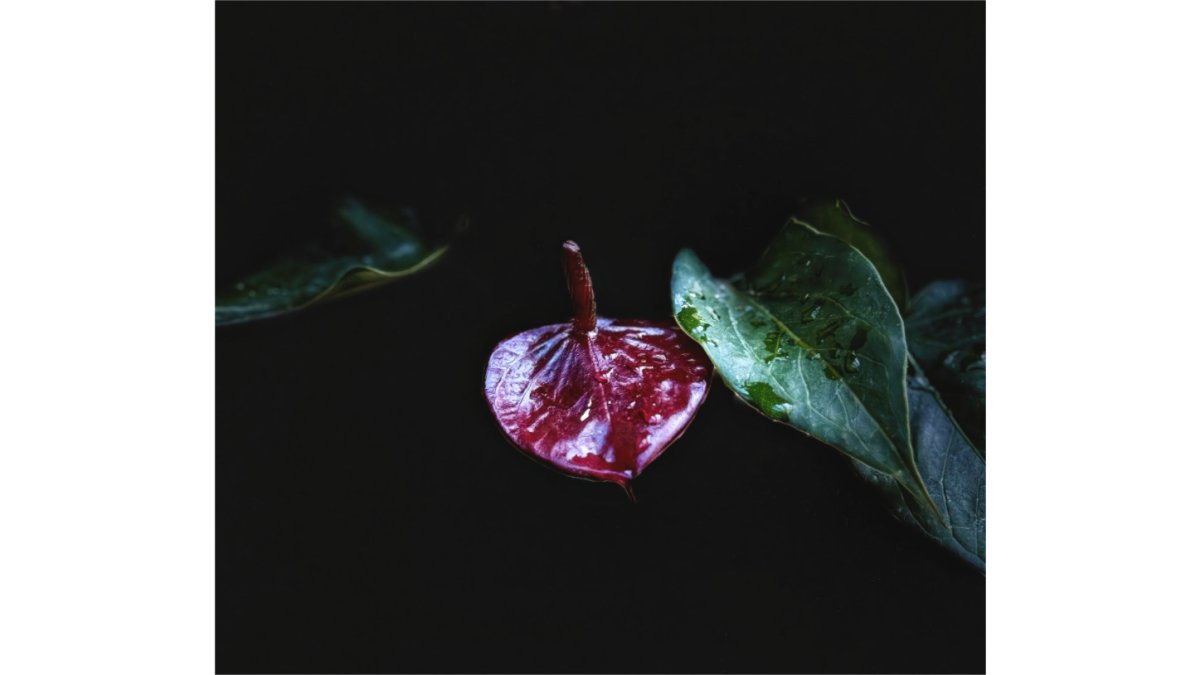
Giving a Painting as a Gift: Original Work vs. Prints
Original artwork is a one-of-a-kind piece made by the artist's hand. Both can be deeply meaningful gifts, and the right answer depends on budget and intent.

Originals carry weight: they are singular, and that singularity is part of the message.
Fine-art photography sits in a useful middle ground.
| Option | What It Is | Best For | Consideration |
|---|---|---|---|
| Original painting or drawing | One-of-a-kind handmade piece | Milestone gifts, collectors | Highest cost, hardest to return |
| Fine-art photography print | Artist's original image, printed to order | Most gift situations | Choose size and finish carefully |
| Open-edition poster print | Mass-produced reproduction | Casual or lower-budget gifts | Feels less personal over time |
| Commissioned piece | Made specifically for the recipient | Very close relationships | Needs lead time and clear direction |
If you are gifting your own art, be honest about the fit.
How to Wrap a Painting So It Arrives Safely
Wrapping a painting safely means protecting the surface, the corners, and the frame, then adding a rigid outer layer so nothing presses on the front. Glass and acrylic are the fragile parts.
Work on a clean, padded surface. A towel or kraft paper on a table works fine. Do not wrap on a hard floor where grit can scratch the finish.
- Leave the hardware alone. Do not remove the hanging wire or bumpers.
- Cover the front first. Lay a sheet of glassine or acid-free tissue over the surface.
- Pad the corners. Use foam corner guards or rolled bubble wrap.
- Wrap the whole piece. Two layers of bubble wrap, bubbles facing out.
- Add a rigid layer. Cardboard on both faces, taped at the edges.
- Box it snug. Fill gaps so the piece cannot shift.
- Label it "Fragile" and "This Side Up."
Materials That Protect Without Damaging
Not all wrap is safe for art. Some materials trap moisture or leave marks over time.
- Use: glassine, acid-free tissue, bubble wrap, foam corner guards, cardboard, packing tape.
- Avoid: newspaper, packing peanuts against the surface, plastic wrap on a print, and masking tape on any painted or printed area.
- For a rolled print: roll with the image facing out, around a wide tube, then slide it into a rigid mailer.
Art Gift Presentation Ideas That Make the Reveal Memorable
Presentation turns a wrapped object into a moment. The piece is the gift; the reveal is the memory they keep.
Try one of these:
- The slow unwrap. Wrap in layers, with a note tucked between each one.
- The wall reveal. Hang it before they arrive, then hand them a card that says "look up."
- The story card. Include a short note about why you chose this piece and what it reminded you of.
- The pairing. Add a small plant, a candle, or a book that matches the mood.
A personal note does more work than any ribbon, two or three handwritten sentences will outlast the wrapping by decades.
When You Are Not Sure They Will Love It
Uncertainty is a common reason people abandon an art gift. The fix is building the exit into the gift before you buy it, so the recipient never has to perform gratitude for something that does not fit.
Lever two: buy where returns or exchanges are possible. Read the return policy like a lease: the return window, who pays return shipping, and whether custom-sized or framed pieces are excluded.
The Gift Card Question
A gift card to a specific artist's shop is a legitimate answer, not a cop-out. It solves the taste problem completely and lets the recipient choose the size, subject, and finish that fits their actual wall, though it loses the surprise and the personal-noticing element that makes an art gift land. A common middle path: give a small, low-risk piece as the wrapped gift, and note that you are happy to swap it for something else from the same shop.
When to Involve the Recipient Directly
If the recipient is a close partner, a parent, or someone whose home you know well, involving them is not cheating. Send two or three options and let them pick. You still did the work of curating; they get the piece they actually want on the wall. This works especially well for milestone gifts, where the wrong piece is a bigger disappointment than a spoiled surprise.
Budget, Logistics, and Other Practical Matters
Most art-gift guides stop at 'set a budget.' Here is what actually determines what arrives and whether the piece is usable the day it is opened.
What Drives the Price
Four factors move the number more than anything else:
- Original versus reproduction. A one-of-a-kind original carries the artist's hand and a price to match. A fine-art print of an original image is a reproduction made to archival standards, and it is where most gift budgets land.
- Edition and signature. A limited edition with a numbered certificate feels more collectible than an open-edition poster, and it is priced accordingly. Open editions can be reprinted indefinitely, which is why they tend to feel less personal over time.
- Size and substrate. A larger print on fine-art paper usually costs less than a smaller piece behind glass in a custom frame. Canvas, acrylic, and metal prints each carry their own production cost and look.
- Framing. Custom framing is frequently the single largest line item, sometimes exceeding the cost of the artwork itself. Gifting unframed shifts that decision to the recipient, who can match their own room.
A useful rule of thumb: decide your number first, then let the format follow.
Original Versus Print, in Plain Terms
If you want the artist's actual image at a size and finish that fits a real wall, a fine-art print is the practical choice.
Logistics That Decide Whether the Gift Works
- Measure the wall before you buy. A print that occupies roughly two-thirds to three-quarters of the width of the furniture below it tends to look intentional; a piece that is too small for a large empty wall looks lost.
- Match the format to the room. Paper prints need a frame and glass or acrylic. Canvas and metal prints can hang as-is, which makes them easier to gift to someone who does not want a framing project.
- Check the hanging hardware. Most framed pieces arrive with a wire or sawtooth hanger. Heavier pieces need a wall anchor rated for the weight, especially in rentals where you cannot count on finding a stud.
- Plan for lead time. Print-on-demand and made-to-order pieces typically need several business days to produce before they ship, and custom framing can add weeks. Order earlier than feels necessary.
Accessibility and Living Situation
Not every recipient has a wall to spare. If they rent, move often, or live in a small space, favor lighter pieces, standard sizes, and formats that travel well. If they cannot safely hang a heavy piece, a smaller unframed print or a canvas that can lean on a shelf is kinder than a large framed work that sits on the floor.
If You Are Giving Your Own Art
Be clear about what the piece is. Do not imply a print is an original, and do not turn a gift into a sale. If money changes hands, put the terms in writing: what is transferred, whether reproduction rights stay with you, and whether the recipient may resell or reproduce it.
Frequently Asked Questions
How do you choose art for someone else?
Start with their space, not the artwork. Notice the colors, wood tones, and overall style of the room where the piece will likely hang. Then think about what they talk about, collect, or photograph. A friend who fills their phone with wildflower shots will likely love botanical fine-art photography. When in doubt, choose a subject with universal calm, like nature, water, or soft botanicals, and keep the palette neutral enough to fit most interiors.
Is it better to give original art or a print as a gift?
Both work. Original art carries a sense of rarity and story, while a high-quality print or fine-art photography piece is often more affordable and easier to size for a specific wall. What matters most is the thought behind it. A signed, limited, or story-rich print can feel just as personal as an original, especially when you explain why the image reminded you of the recipient.
Should you frame art before giving it as a gift?
Framing before gifting is a generous touch, but it removes the recipient's ability to match the frame to their décor. If you know their style well, a simple frame in black, natural wood, or white works almost anywhere. If you are unsure, give the piece unframed and include a note offering to cover framing, or choose a format like canvas or metal that arrives ready to hang.
How can you find out someone's art preferences without spoiling the surprise?
Ask sideways. Comment on art you see together at a café or a friend's home and note what they gravitate toward. Scroll their social saves, Pinterest boards, or the art already on their walls. You can also ask a partner, roommate, or close friend what colors and subjects they keep coming back to. Small, casual observations over a few weeks usually reveal more than a direct question would.