

How to Choose Artwork for Someone Else: A Gift Guide
Table of Contents
- Why Art Is the Gift That Actually Sticks
- How to Find Someone's Art Style Without Spoiling the Surprise
- How to Choose Art for Someone Else's Home
- How to Choose Meaningful Art That Carries a Story
- Art Gift Ideas for Someone Who Has Everything
- Low-Risk Formats, Sizes, and Budgets for Art Gifts
- Conclusion: Give the Gift of Presence
- Frequently Asked Questions
Last Updated: October 12, 2026
Why Art Is the Gift That Actually Sticks
Most gifts get used once and forgotten. Art does not work that way. When you learn how to choose artwork for someone else, you give something that stays on their wall for years.
At Magick Brush, we make fine-art photography for people who want their spaces to feel calm and intentional. Our pieces are created by artist and mentor Erin D'Elia. Each one is meant to anchor a room and invite a slower breath.
But here is the tension: art is personal. That is exactly why it works as a gift, and exactly why it feels risky to buy.
The good news? You do not need to guess perfectly. You need a process.
Below, we walk through how to find someone's style without ruining the surprise, how to read a room, and how to pick a piece that carries real meaning.
How to Find Someone's Art Style Without Spoiling the Surprise
Start with what they already own. Their current space tells you more than any direct question would.
Look at the art, photos, and prints already on their walls. Then note the patterns:
- Subject matter: Do they lean toward nature, cities, people, or abstract shapes?
- Color: Are the walls calm and neutral, or full of bold color?
- Format: Do they frame things, or hang prints bare?
- Mood: Is the space soft and quiet, or bright and busy?
This gives you a style profile without asking a single suspicious question.
A Discreet Research Framework
Most people give themselves away long before you ask. Use a simple three-source system to build a profile without tipping them off.
Source 1: Their saved images. Check public Pinterest boards, saved Instagram posts, or screenshots they have texted you. Look for repeats, the same color, the same subject, the same mood showing up more than once. A single saved image is a mood. Three saved images are a pattern.
Source 2: Their existing walls. Photograph or mentally note every piece of art in their home. Note the frame color, the matting, and whether the pieces are clustered or spaced apart. This tells you their real format preference, not the one they might claim.
Source 3: Their inner circle. Ask a partner, roommate, or close friend what they have noticed. One casual conversation usually fills the gaps. Keep the question open-ended: "What does their living room feel like to you?" rather than "What art do they like?"
Reading the Signals They Already Send
People reveal their taste in small, consistent ways. Watch for these signals:
- The colors they wear. A person who lives in earth tones rarely wants a neon abstract on their wall.
- The photos they share. Travel shots, gardens, and quiet landscapes are clues about the subjects they find meaningful.
- The compliments they give. If they consistently notice light, texture, or calm in other people's homes, that is a direct hint.
- The spaces they linger in. A favorite cafe, a botanical garden, or a quiet bookstore tells you the mood they seek.
When to Involve the Recipient
Sometimes the safest path is a soft reveal. If the recipient is a close partner or family member, you can ask a single, low-stakes question without spoiling the surprise: "If you could change one wall in your home, which one would it be?" That gives you a location and a permission slip without revealing the gift.
For everyone else, keep the research quiet. The goal is not to guess perfectly. The goal is to gather enough signal that your choice feels intentional rather than random.
How to Choose Art for Someone Else's Home
Match the piece to the room it will live in, not to your own taste. That single shift prevents most gift mistakes.
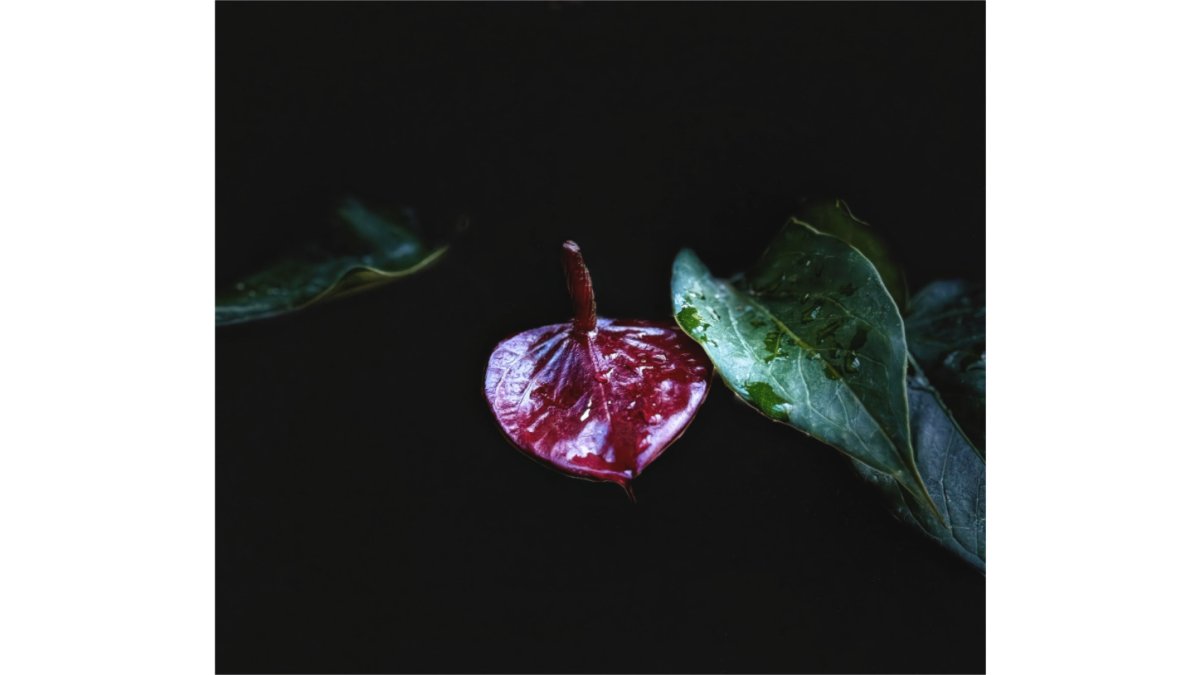
Before you buy, answer three questions:

- Where will it hang?
- What colors already live in that room?
- How much wall space is actually free?
A gift that fits the room feels thoughtful. A gift that fights the room feels like clutter.
Reading the Room: Color, Scale, and Focal Points
Every room has colors, a scale, and a natural focal point. Your job is to work with all three.
Color. Pull one or two tones from the room's existing décor. A soft green from their plants. A warm wood tone from the furniture. The art should feel related, not identical.
Scale. Big walls need big pieces. A small print on a large blank wall looks lost. A large piece in a tight corner feels heavy.
Focal point. Where does the eye land first? A fireplace, a window, a sofa. Art placed near that spot gets seen. Art hidden in a hallway corner does not.
If the space is calm and neutral, a quiet nature piece fits right in. If it is bold, look for stronger contrast and texture.
How to Choose Meaningful Art That Carries a Story
Meaning is what separates a print from a gift. Look for a piece with a story the recipient can connect to.
Art that carries meaning usually does one of three things:
- It reminds them of a place, season, or memory
- It reflects a value they care about, like calm or growth
- It captures a moment that feels quietly familiar
This is where original work matters. A mass-produced print can be pretty. An original piece has a reason to exist.
At Magick Brush, each photograph comes with the story behind it. "Small Miracles" is about the beauty we miss when we hurry. "Held By Wonder" is about finding peace where you already are. That backstory turns a gift into something personal.

Art Gift Ideas for Someone Who Has Everything
For the person who wants nothing, give an experience of presence. Art does that better than another gadget.
Here are options that work for almost anyone:
- A small fine-art print for a reading nook or bedside table
- A botanical piece for a kitchen or entryway
- A butterfly or nature photograph for a meditation or wellness space
- A large statement piece for someone with open wall space
- A piece tied to a shared memory, like a place you visited together
The best gift here is not the biggest one. It is the one that fits a space they already love.
Personalization Without Overstepping
Personal does not mean invasive. Keep it about beauty, not about their private life.
Stick to themes they openly love: nature, calm, growth, light. Avoid inside jokes, names, or dates unless you are certain they would want them displayed.
If you are unsure, choose a piece that works on its own. A quiet nature photograph fits most spaces and most people.
Low-Risk Formats, Sizes, and Budgets for Art Gifts
Lower the stakes by choosing a flexible format. Framing and size are where most art gifts go wrong.
| Format | Best For | Why It Works |
|---|---|---|
| Unframed fine-art print | Renters, flexible spaces | Easy to frame later, easy to move |
| Matte canvas print | Warm, cozy rooms | Adds texture and depth |
| Acrylic glass print | Modern, bright rooms | Boosts color and light |
| Aluminum dibond print | Minimalist spaces | Sleek, durable, no glass |
Sizes matter too. A small print suits a desk, shelf, or hallway. A large piece suits a main wall.
Risk-Reduction Options for a High-Stakes Purchase
Art is personal, which makes it a high-stakes gift. Build in an exit ramp before you buy.
Occasion-Based Guidance
Different occasions call for different levels of risk and personalization.
- Holidays and birthdays. A small unframed print in a flexible format is a safe, thoughtful choice. It fits most spaces and is easy to reframe.
- Housewarmings. Match the piece to the room's existing palette. A botanical or landscape print works in almost any entryway or living room.
- Weddings and anniversaries. A piece tied to a shared place or memory carries more weight. Consider a landscape from a location you visited together.
- Retirement or milestone gifts. A larger statement piece suits someone with open wall space and a settled home.
Practical Constraints: Framing, Shipping, and Installation
A beautiful piece can still fail if it does not survive the logistics.
- Framing. Unframed prints are cheaper to ship but require the recipient to frame them. Framed pieces arrive ready to hang but cost more and are harder to return.
- Shipping. Large pieces and glass frames are expensive and fragile to ship. Canvas and aluminum formats are lighter and more durable in transit.
- Installation. A large piece may need two people and proper hardware. A small print can be hung with a single nail or adhesive strip.
- Wall space. Measure the recipient's wall before you buy. A piece that is too large for the space becomes a burden rather than a gift.
Conclusion: Give the Gift of Presence
Choosing art for someone else comes down to attention. Notice their space, their colors, and the mood they are trying to create.
That is what makes a gift land. Not the price tag. The fact that you saw them clearly.
At Magick Brush, our fine-art photography is made for exactly this. Every piece is an original work by Erin D'Elia, printed to museum quality and available in formats that suit real rooms. From quiet botanical prints to butterfly photography for healing spaces, each one is built to bring calm and meaning into a home.
Continue shopping and find a piece that feels like them.
Frequently Asked Questions
How do you choose artwork for someone else without getting it wrong?
Start by observing their space and the things they already love. Notice the colors they wear, the art or photos they display, and the overall mood of their home. Choose a subject with broad emotional appeal, like nature or botanical imagery, rather than something highly specific to your own taste. When you choose artwork that reflects their world instead of yours, the odds of a meaningful match go up dramatically.
How can I find out someone's art style without asking directly?
Try indirect signals. Look at their phone case, throw pillows, or the books on their shelf. Notice whether they lean toward minimal, earthy, or vibrant aesthetics. You can also ask a mutual friend or family member casually. If you're still unsure, browse a range of artwork together under the guise of a casual conversation about home décor. Their reactions will tell you more than a direct question ever could.
Is it better to give framed or unframed art as a gift?
Unframed fine-art prints offer more flexibility because the recipient can choose a frame that matches their existing décor. Framing is deeply personal and depends on wall color, furniture, and style. An unframed print also travels more safely and lets the recipient decide whether to hang it in the living room, bedroom, or office. If you know their framing preferences well, a framed piece can feel more complete as a gift.
What size artwork should I give as a gift?
Medium sizes work best for gifts because they fit most walls without overwhelming a space. A piece around 16x20 inches or similar works well above a sofa, desk, or reading nook. If you're unsure about their wall space, a smaller print in a versatile size is a safer choice. Measure the intended wall if you can, and remember that a large-scale piece makes a bold statement while a small-scale piece adds quiet intimacy.